Car & Vehicle Towing
Need a tow? One number, one truck, one price.
Towing sounds simple until it's your car on the hard shoulder and every listing looks the same. We're a family-run towing service: you speak to us, we send our own truck, and the price we agree on the phone is the price at the other end. Cars, vans and light commercials, local jobs and long runs.
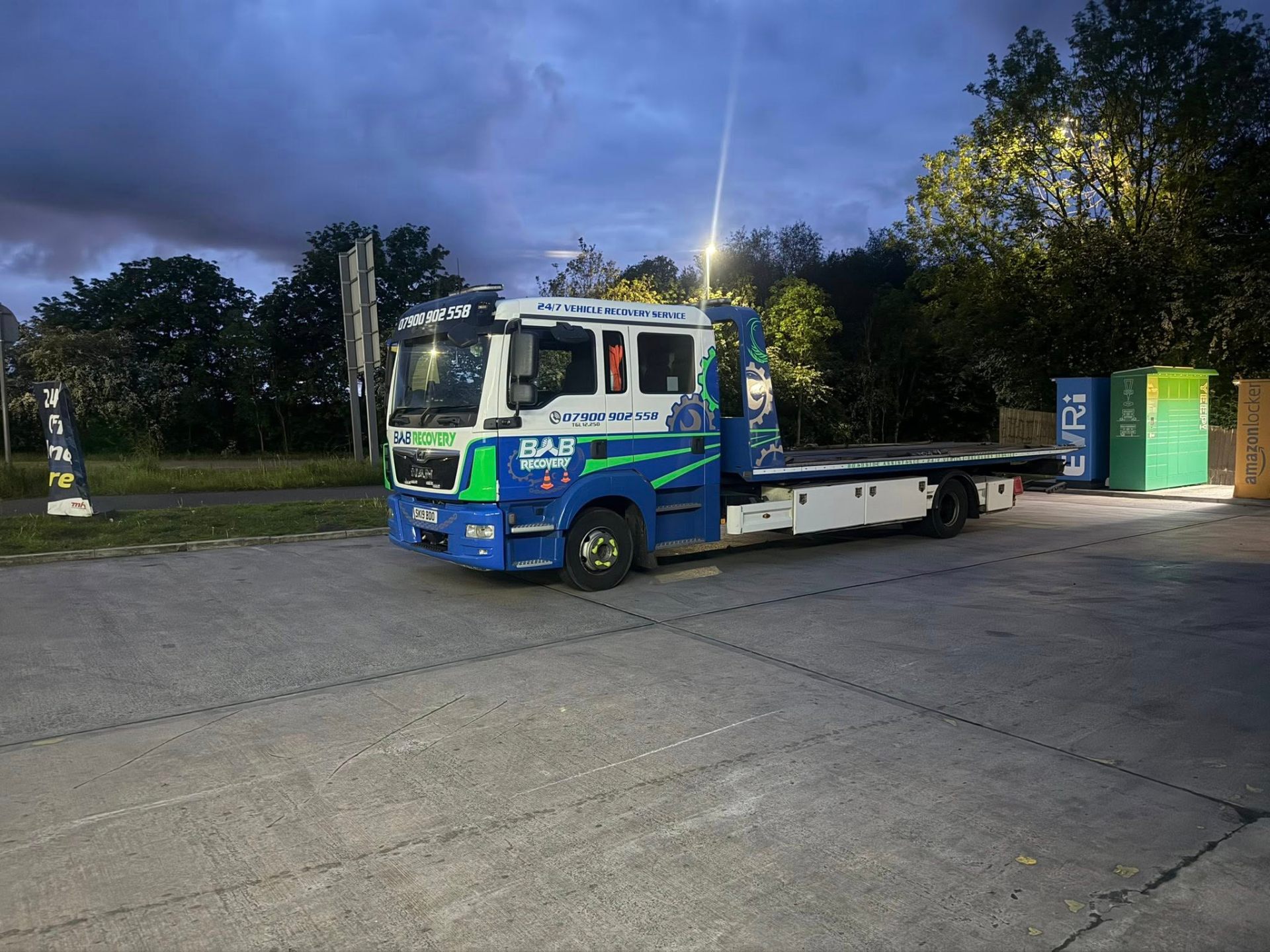
Exactly what you'd expect — done well.
We keep it simple: modern kit, an experienced operator, and honest pricing. Here's what this service covers.
- Car towing on a tilt-and-slide flatbed
- Automatics, 4x4s & non-runners
- Vans, pickups & light commercials
- Local towing & long-distance runs
Common situations
Simple. Quick. No fuss.
Tell us what's happened
Where the vehicle is, what it is, and whether the wheels still turn. That's all we need to price the job properly.
We agree a price
A firm figure before we set off — not an estimate that grows once the truck arrives.
We tow it
Loaded on the flatbed and delivered where you asked, with a call if anything changes.
What a tow should cost you
There's no single price for towing a car, and anyone who quotes you one without asking questions is guessing. Two things drive the cost: how far the vehicle is going, and how hard it is to get onto the truck.
What you should expect is a firm number before anything moves. Both postcodes, the make and model, and whether the wheels still turn is usually enough to price it properly on the call. There's a fuller breakdown of how a recovery is priced, and what pushes a quote up, on our recovery and towing prices page.
Automatics, 4x4s and electric cars
Whether a car can be towed with its wheels on the road depends almost entirely on what's driving them.
Towing an automatic car with its driven wheels turning is the classic way to destroy a gearbox. An automatic circulates its oil with a pump driven by the engine, so with the engine off and the wheels turning the internals are spinning dry. A few miles can be enough to do real damage, and it is an expensive lesson. On a flatbed the problem disappears — all four wheels are off the ground, so an automatic tows no differently from a manual.
Four-wheel drive is the same story for a different reason. Permanent systems link the axles through a centre differential that was never designed to run with one pair of wheels stopped and the other spinning, and getting it wrong can cook a transfer case.
Electric cars go on the bed, without exception. The motors on a driven axle act as generators when the wheels turn, pushing current back into a system that is switched off and not expecting it.
What not to try yourself
Most of the towing damage we see wasn't caused by a recovery firm. It was caused by someone with a rope and good intentions.
Towing a car on a rope or strap is legal on ordinary roads in the UK, but the rules are tighter than most people assume. The gap between the two vehicles must not exceed 4.5 metres, and if it is more than 1.5 metres the rope has to be made clearly visible from both sides. The car on the back needs a driver at the wheel with the steering unlocked and the brakes working. A motorway is not the place for any of it beyond getting a broken-down vehicle clear at the next exit.
Then there's the part the regulations don't cover. With the engine off there's no power steering and no servo assistance on the brakes, so the car steers heavily and stops far later than the driver expects. Add a rope that snatches every time the vehicle in front lifts off, and a short tow home becomes a shunt in slow traffic.
A-frames are worth avoiding too unless you genuinely know what you're doing. Used wrongly they put the same load through the gearbox as a rope tow, with the added question of whether the combination now counts as a trailer. If the car doesn't have to move today, waiting for a truck is cheaper than explaining a bent bumper to your insurer.
Choosing a towing company
Search for a towing company near me and you'll get two kinds of result. They behave very differently.
The first is a national operator or a lead-generation site. You ring, they take your details, and the job goes out to whichever local firm picks it up. You don't choose who turns up, the price has a middleman's margin built into it, and if something goes wrong you're talking to a switchboard rather than the person who did the work.
The second is a local towing company doing its own jobs, which is what we are. We answer our own phone and drive our own truck, and the person you speak to at nine in the morning is the same one you'll get at nine at night.
Three things are worth checking before you book anyone. Are they insured for your vehicle while it's on their truck, not just for the truck itself? Will they commit to a price before setting off? And will they tell you who is coming and roughly when? A firm that's cagey about all three is a firm planning to renegotiate once your car is already loaded.
If your car has been towed away
Not everyone searching for towing wants a truck. A fair number have just come back to an empty parking space.
If your car has been removed by the police, the local authority or a private landowner, we can't get it back for you and neither can any other recovery firm. It will have gone to a designated pound, and only the organisation that took it can release it — usually once you've paid a removal fee and any storage, and shown you're entitled to the vehicle. Ringing round towing companies first will mostly cost you another day of storage charges.
What we can do is the part afterwards. Once a car is released, plenty of people find it won't start after a fortnight standing, or isn't legal to drive home. That's an ordinary recovery job — we'll collect it from the pound and take it wherever it needs to go.
About this service
How much does towing cost?
It depends on distance and how hard the vehicle is to load, so we price each job rather than publishing a flat rate. Give us both postcodes, the make and model and whether it still rolls, and you'll get a firm number on the call rather than a range that moves later.
Can you tow an automatic car?
Yes, and it's exactly what a flatbed is for. Towing an automatic car with its driven wheels turning on the road circulates no oil through the gearbox and can wreck it in a few miles. On our bed all four wheels are off the ground, so an automatic tows no differently from a manual.
Is there a towing service near me?
Call 07900 902558 and you've found one. We run local callouts around the clock and take long-distance jobs nationwide, so it's one number rather than working through a page of listings.
Can you tow my car if it won't roll?
Yes. Seized brakes, a snapped driveshaft, accident damage — the winch pulls the vehicle onto the bed on skates. Nothing needs to turn for us to move it.
Do you tow vans and light commercials?
Anything up to 3.5 tonnes goes on the same flatbed as a car — Transits, Sprinters, Lutons and tipper bodies included. Above that weight you need a heavy-recovery operator and we'll say so on the phone.
My car has been towed away — can you help?
Not with getting it released, and nor can any other recovery firm. If the police, the council or a landowner removed it, only they can release it from the pound. Once it's out, we can collect it and bring it home.
Are you a local towing company or a national one?
Local, family-run, and doing our own jobs. National operators and lead sites take your details and sell the work on, which is how a price agreed on the phone becomes a different price on the driveway.
Related services
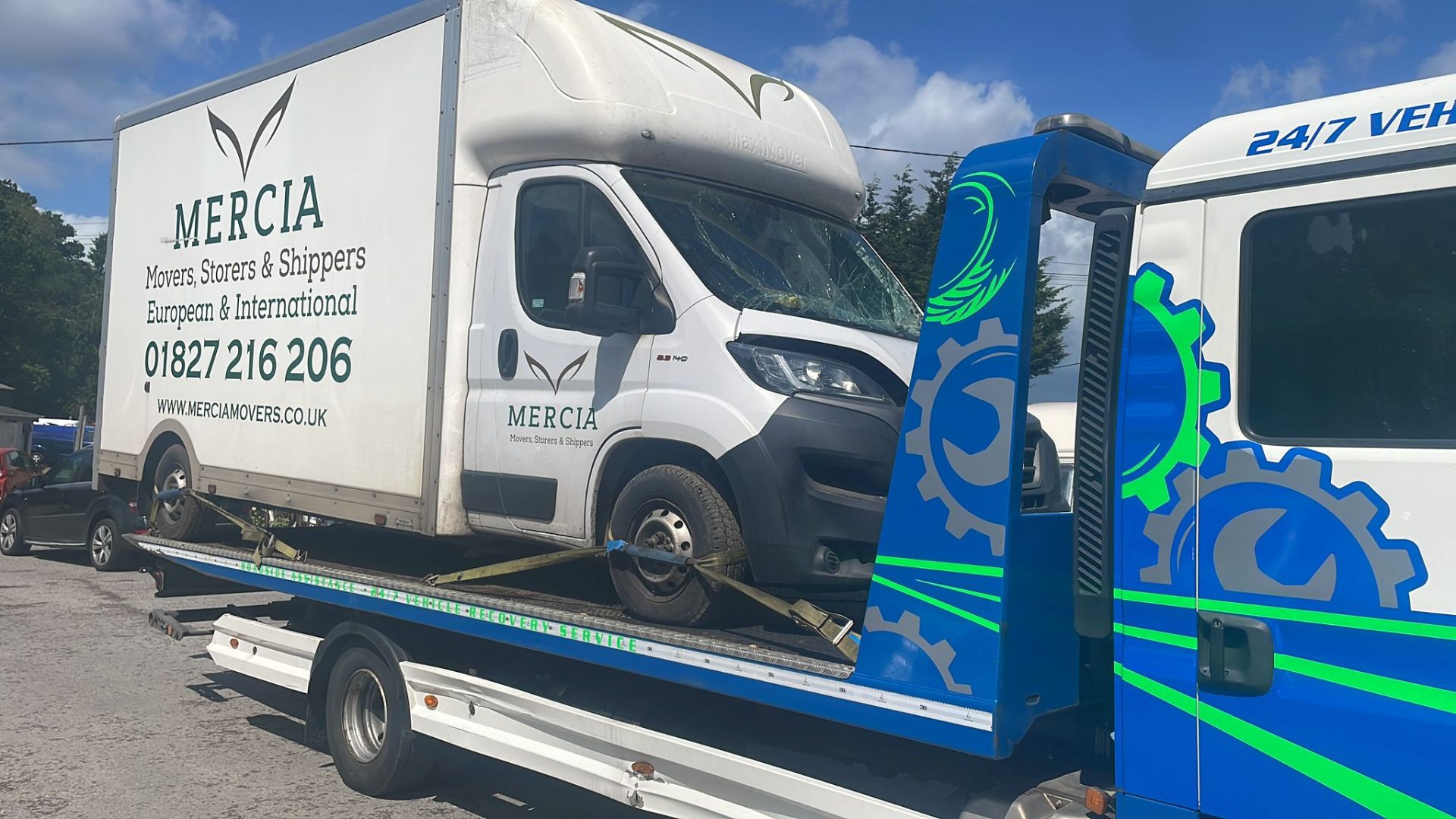
Vehicle Recovery
Cars, vans and light commercials recovered on a tilt-and-slide flatbed — day or night, local or long-distance.
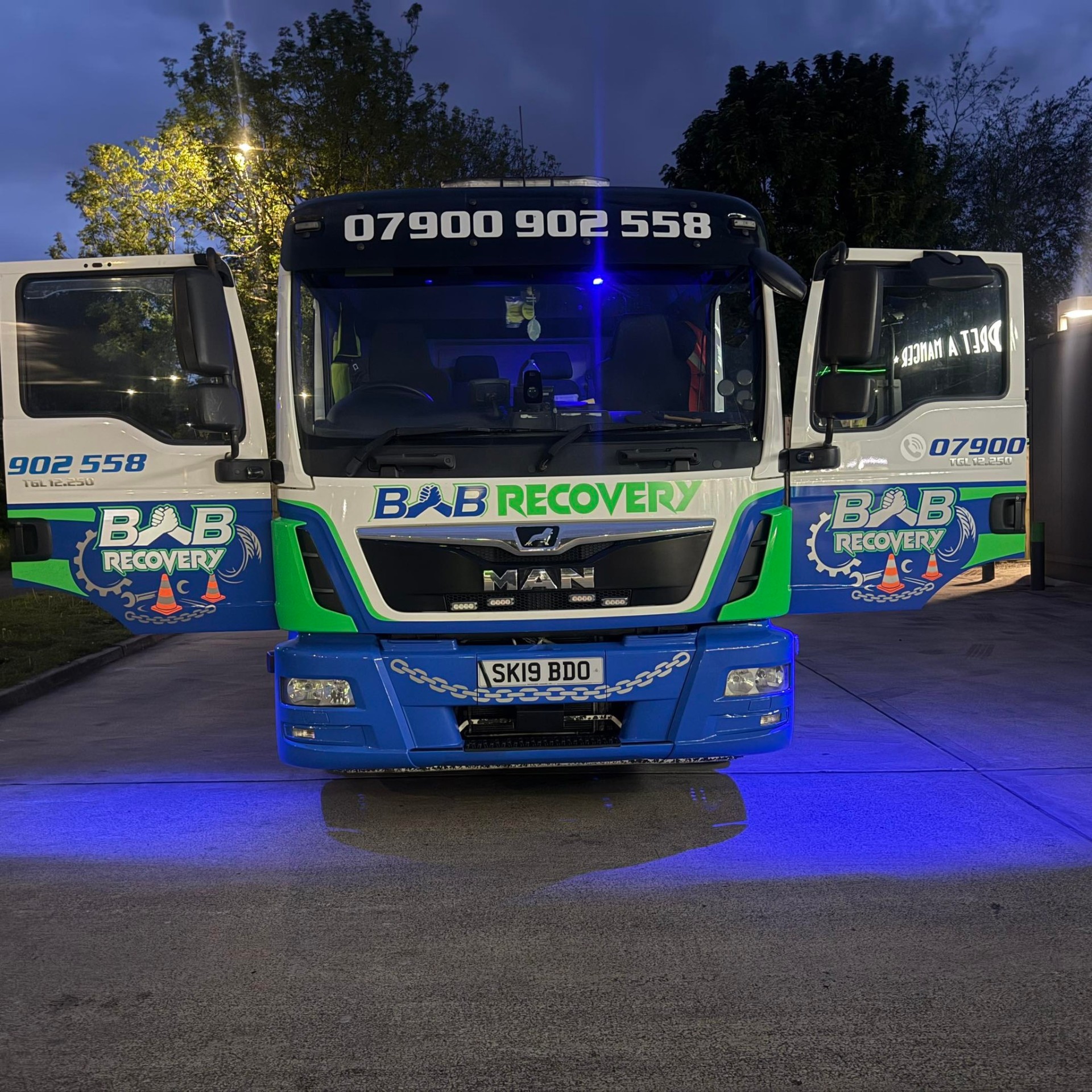
Tow Truck & Recovery Truck
Need a tow truck? Our tilt-and-slide flatbed recovery truck reaches you fast, day or night — cars, vans and light commercials. Call 07900 902558.

24 Hour Recovery & Towing
24 hour vehicle recovery and towing across the UK — nights, weekends and bank holidays. One number, answered by a person who can send a truck. Call 07900 902558.