Boat & Small Boat Transport
Towed on its own trailer, or carried on the bed if there isn't one.
Most boat moves are really trailer moves: the boat is already sitting on its own trailer and the whole outfit needs towing somewhere. Some aren't, and go on the flatbed instead. We do both for small craft — and we'll tell you honestly when a boat is simply too big for us.

Exactly what you'd expect — done well.
We keep it simple: modern kit, an experienced operator, and honest pricing. Here's what this service covers.
- Boat towing on your own trailer
- Flatbed transport where there's no trailer
- RIBs, day boats, dinghies & trailer sailers
- Marina, storage yard and slipway collections
Common situations
Simple. Quick. No fuss.
Tell us the boat and the trailer
Length, weight, and whether the trailer is road legal — lights, tyres and bearings.
We quote the job
Towing your trailer and carrying the boat on the bed are two different jobs at two different prices.
Collected and delivered
Marina, driveway, storage yard or slipway, at both ends.
Trailer or flatbed?
Two quite different jobs go by the same name.
If your boat is already on a road-legal trailer, the job is towing. We hitch up and tow the whole outfit to wherever it's going, which is quicker and cheaper. The boat never has to be lifted, and nothing touches the hull that wasn't touching it already.
If there's no trailer, or the trailer isn't fit for the road, the boat goes on the flatbed instead. That means supporting it properly — a hull sat on a hard bed without cradling is asking for a stress crack, particularly on an older GRP boat.
So the first question when you ring isn't really about the boat. It's whether there's a trailer, and what state it's in.
The trailer is usually the problem
Boat trailers spend most of their lives standing still, often outdoors, and are frequently reversed into salt water twice a season. They fail more often than the boats they carry.
Bearings are the classic. A trailer that's been dunked and left will seize a hub, and the first anyone knows is a wheel getting hot ten miles into the journey. If yours hasn't turned a wheel in a couple of years, say so — we'd far rather check it cold than deal with it at the roadside.
Tyres are the other one. Trailer tyres perish long before they wear out, and a tyre with plenty of tread and eight years of cracked sidewall is not a tyre. Lights and the number plate matter too, because both are legally required and both spend their lives underwater.
None of that stops us moving your boat. It just changes which of the two jobs it is, and it's much better established on the phone than on your driveway.
How big is too big
We're set up for small craft. RIBs, day boats, fishing boats, dinghies, jet skis and trailer sailers — the sort of thing that legally travels on a road trailer behind a car — are all normal work.
The limit is the same 3.5 tonnes that applies to everything else we carry, and with boats the width matters as much as the weight. Anything over about 2.55 metres wide needs abnormal load procedures, notifications and often an escort. That's a specialist business and it isn't ours.
Narrowboats and yachts are a firm no. A narrowboat is fifty feet of steel that moves on a specialist low-loader with a crane at each end, and a masted yacht brings its own set of problems. If that's what you have, we'll say so on the first call and you'll have lost nothing but two minutes.
Marinas, storage yards and slipways
Where a boat is coming from is usually more awkward than where it's going.
Marinas have gates, opening hours and their own rules about who may drive on the hardstanding, and some want notice before a truck arrives. Winter storage yards are often tight, unsurfaced and shared with a great deal of expensive fibreglass. Slipways range from a solid concrete ramp to a bit of shingle that only works two hours either side of high water.
All of it is manageable, and all of it goes better with a phone number for whoever holds the keys. Give us that when you book and we'll do the arranging. Turning up at a locked marina gate on a Sunday helps nobody.
About this service
Can you tow my boat on its own trailer?
Usually, and it's the cheaper option. The trailer needs to be road legal — working lights, a visible number plate, sound tyres and bearings that turn freely. If any of that is doubtful, say so and we'll plan around it.
What if the boat has no trailer?
Then it goes on the flatbed. A hull needs supporting properly rather than just sitting on a hard bed, so tell us the length and the weight and we'll work out how it's cradled.
How big a boat can you move?
Up to 3.5 tonnes, and under about 2.55 metres wide. Beyond that width you're into abnormal load territory with notifications and escorts, which is a specialist job and not ours.
Do you move narrowboats or yachts?
No. A narrowboat is fifty feet of steel needing a low-loader and a crane at each end, and a masted yacht is its own kind of problem. We'll tell you that on the first call rather than waste your time.
Is my boat trailer road legal?
Check the lights, the number plate, the tyre sidewalls for cracking, and whether the wheels spin freely. Trailer tyres perish long before they wear out. If it hasn't moved in a couple of years, assume something needs attention.
Can you collect from a marina or storage yard?
Yes, and it goes far better if we have a contact number for whoever holds the keys. Marinas have gates, hours and their own rules about vehicles on the hardstanding.
Related services
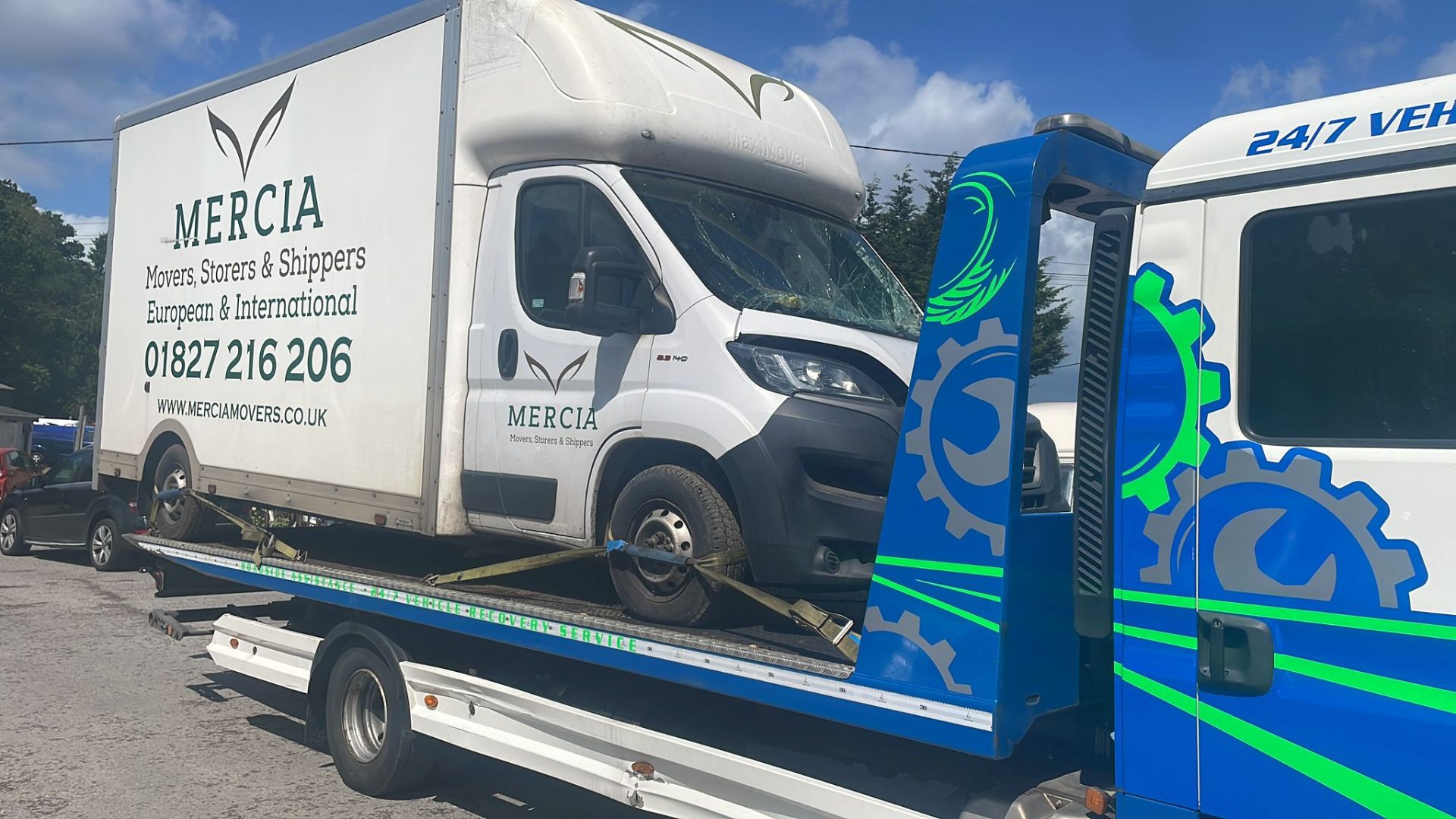
Vehicle Recovery
Cars, vans and light commercials recovered on a tilt-and-slide flatbed — day or night, local or long-distance.
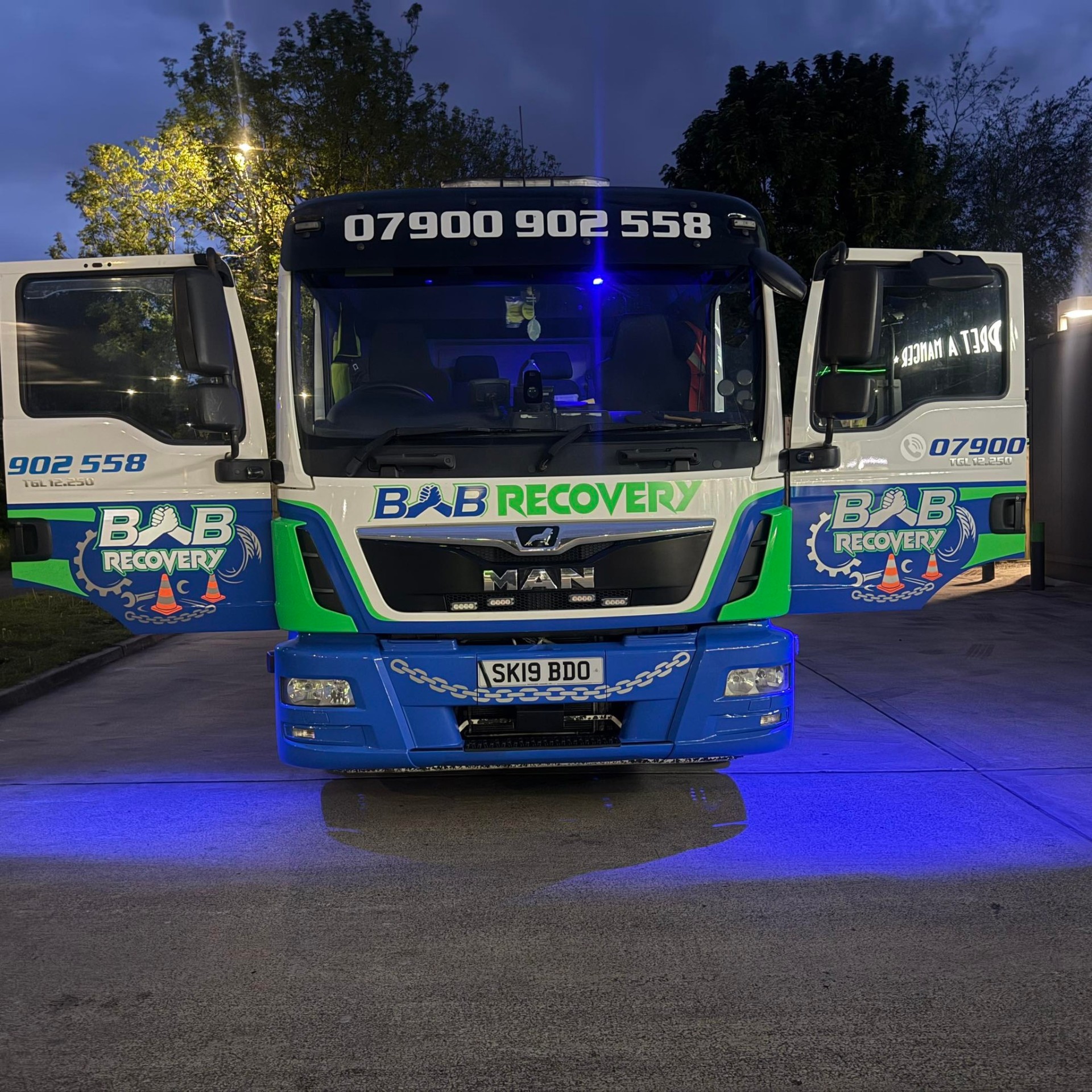
Tow Truck & Recovery Truck
Need a tow truck? Our tilt-and-slide flatbed recovery truck reaches you fast, day or night — cars, vans and light commercials. Call 07900 902558.
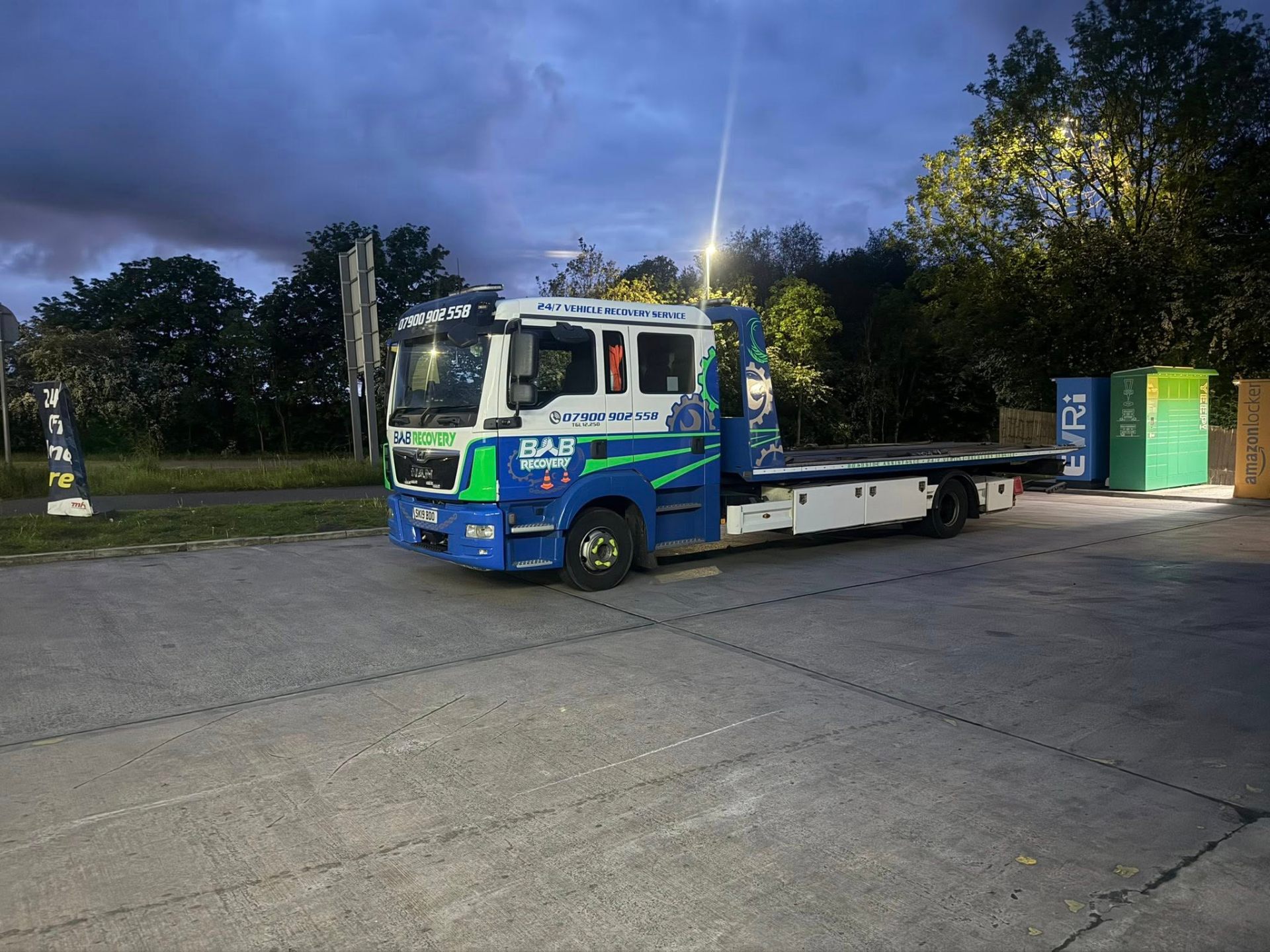
Car & Vehicle Towing
Car and vehicle towing across the UK, day or night. Flatbed towing for automatics, non-runners and light commercials — no call centre, no middleman. Call 07900 902558.