Motorbike Recovery & Transport
Chocked, strapped properly, and delivered without a mark.
Two jobs, one truck. Either your bike has stopped and you're stood at the side of the road in full gear, or you've bought something two hundred miles away and riding it home isn't the plan. We do both — motorbike recovery when it's gone wrong, and motorcycle transport when it hasn't.

Exactly what you'd expect — done well.
We keep it simple: modern kit, an experienced operator, and honest pricing. Here's what this service covers.
- Motorbike recovery & motorcycle towing
- Front wheel chock and soft straps
- Non-runners, project bikes & crash damage
- UK-wide motorbike transport & delivery
Common situations
Simple. Quick. No fuss.
Tell us about the bike
Make, model, whether it runs, whether it rolls, and what the access is like at both ends.
We quote and book
A firm price and a collection window, agreed before anything moves.
Chocked, strapped and delivered
Loaded properly at both ends, and photographed at pick-up and drop-off.
Why a bike isn't just a small car
A car sits on four wheels and stays there. A bike has to be held upright by something, and that something has to hold it for the whole journey without damaging it.
The kit matters. A front wheel chock takes the bike's balance out of the equation before anything is strapped down. Straps then go to the frame, the yokes or purpose-made anchor points — never over fairings, plastics or a set of levers that will bend.
The part that damages bikes is over-tightening. Ratchet the front down hard and you compress the forks to the end of their travel, then leave them there for two hundred miles. Fork seals don't enjoy that and neither do the springs. Done properly the suspension keeps some travel and the bike is stopped from moving rather than crushed into the bed.
Anything with a full fairing needs more care again, because there's often nowhere obvious to attach a strap that isn't a painted panel worth several hundred pounds. None of this is complicated, but it is specific — and it's why a general haulier and a firm that moves bikes regularly produce different outcomes. If the last person to move your bike left strap marks on the tank, that's the reason.
Breakdown recovery for motorbikes
Bike breakdowns differ from car breakdowns in one respect that matters more than anything technical: you can't sit in it.
A car gives you somewhere warm, visible and reasonably safe to wait. On a bike you're stood at the roadside in gear designed for riding, not for standing about in December. That shapes how we handle it — you get a real ETA on the call so you can decide whether to wait with the bike or get somewhere sheltered, and we'll say if you'd be better off in a services than on a verge.
Leaving a bike unattended is its own problem. Bikes get stolen far more casually than cars, and an unattended machine at the roadside is an invitation. If you can't stay with it, say so when you ring.
We can usually take the rider as well as the bike, so mention how many of you there are. And if it's a puncture rather than a breakdown, say that too — it changes what's worth doing before you commit to a recovery.
Moving a bike you've bought or sold
Half of what we move isn't broken at all.
Private sales are the commonest. You've bought something two hundred miles away, it isn't registered to you yet, it isn't insured in your name, and riding it home in November on unfamiliar roads is a worse idea than paying for transport. We collect from the seller and deliver to your door.
Dealer and auction collections work the same way, and so do track day runs, where the bike often has no lights, no plate and no legal way of getting to the circuit under its own power.
Then there's the long-distance move that simply isn't worth the miles. Putting five hundred motorway miles on a classic, or on anything with a service interval you're conscious of, costs more in wear and tear than the transport does. Whichever it is, the process is the same: two postcodes, the make and model, whether it starts and rolls, and we'll quote it.
Non-runners, project bikes and crash damage
A bike that doesn't run is often easier to move than one that does, because nobody has to ride it anywhere.
Project bikes are routine. No keys, no battery, seized engine, no brakes, wheels off and in a box — as long as we know in advance it comes on the truck. A machine that won't roll needs a different approach to one that will, and that's a two-minute conversation on the phone rather than a surprise on the day.
Crash damage is the other regular one. After a spill the bike is usually the last thing on anyone's mind, which is exactly when it needs collecting from wherever it has ended up — a roadside, a police compound, or a garage that's assessed it and doesn't want it any longer. We take insurance-instructed collections as well as private ones.
One thing worth knowing about a damaged bike: it can look far worse than it is, and it can also be quietly bent in ways that don't show. We move it as-is and photograph it at pick-up and drop-off. That's as much for our protection as yours, and it has settled arguments more than once.
What we need to know when you call
Five things get you an accurate price on the first call.
What it is — make, model and rough age. A 125 and a fully faired tourer are different jobs, and a trike or a sidecar outfit is different again. Then whether it runs, and separately whether it rolls. A bike that rolls but won't start is straightforward; one with a seized rear wheel is not.
Where it is, precisely, and what the access is like. A bike in a locked garage behind a terrace, up a flight of steps, or in an underground car park with a height barrier — all doable, all much better known beforehand. Then where it's going, and whether anyone will be there to receive it.
And anything fitted or loose. Panniers, a top box, a screen, a tail tidy that's already half hanging off. The bits that come off in transit are reliably the ones nobody remembered to mention.
About this service
Can you recover a motorbike that won't start?
Yes, and it's often the easier job — nobody has to ride it anywhere. Tell us whether it still rolls, because a bike with a seized rear wheel needs a different approach to one that pushes freely.
How do you stop the bike falling over on the truck?
A front wheel chock takes the balance out of it before anything is strapped, then soft straps go to the frame or the yokes. Nothing gets attached to fairings, levers or anything painted.
Is there motorbike recovery near me?
Call 07900 902558 and you've found some. We run local callouts around the clock and take motorcycle transport jobs anywhere in mainland UK.
Can you take me as well as the bike?
Usually yes — there's room in the cab. Say how many of you there are when you ring, because a pillion changes the answer.
Do you transport bikes across the UK?
Anywhere in mainland UK. Motorbike transport is a good share of what we do, and distance is priced into the quote with no hidden extras at the far end.
Can you collect a bike I've just bought?
That's one of our commonest jobs. We collect from the seller, dealer or auction and deliver to your door. Payment and paperwork stay between you and them — our part is moving the bike.
Do you move bikes that aren't road legal?
Yes. Track bikes with no lights or plate, project bikes with no MOT, machines that have never been registered — none of that matters once it's on the truck.
Related services
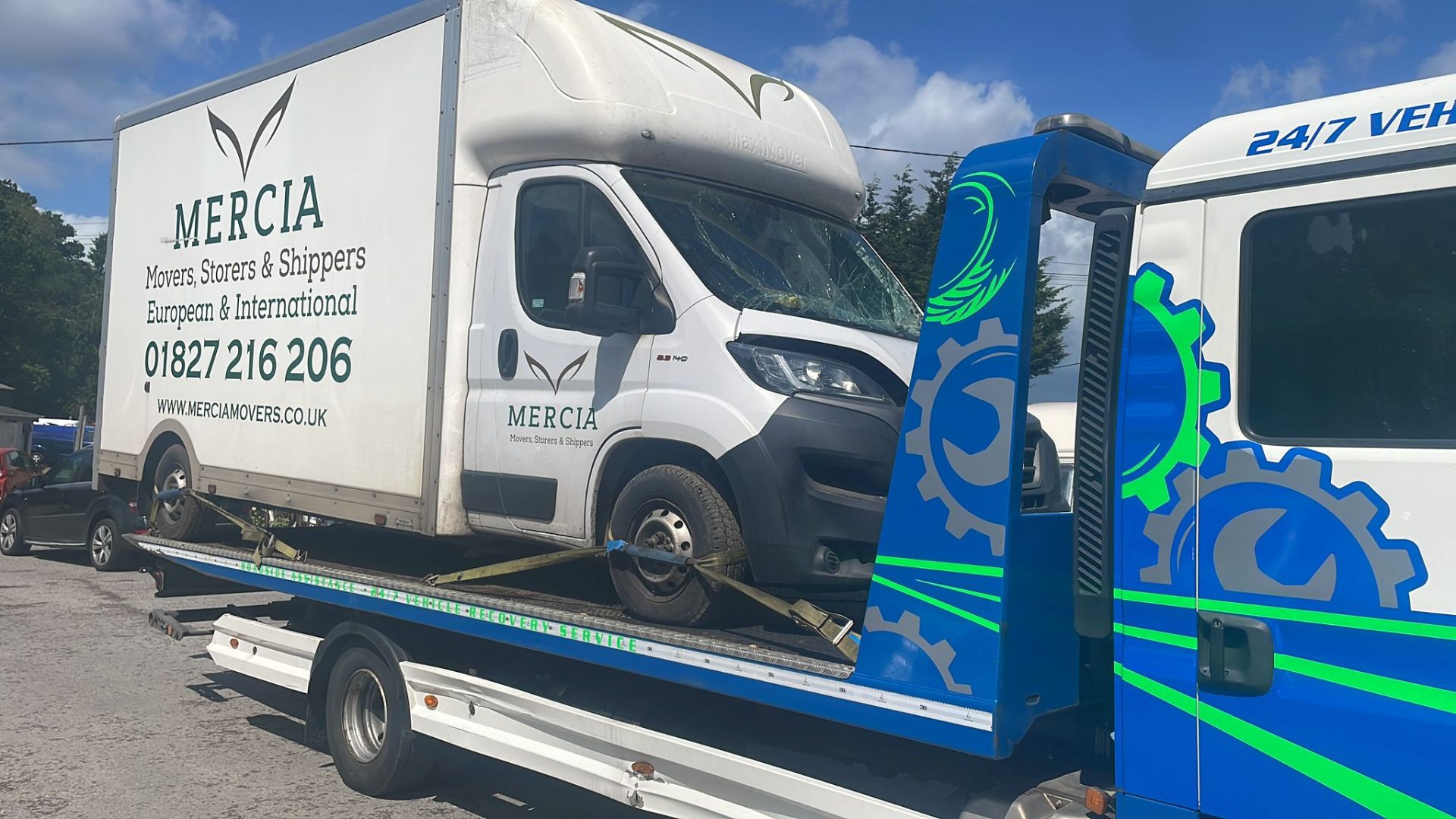
Vehicle Recovery
Cars, vans and light commercials recovered on a tilt-and-slide flatbed — day or night, local or long-distance.
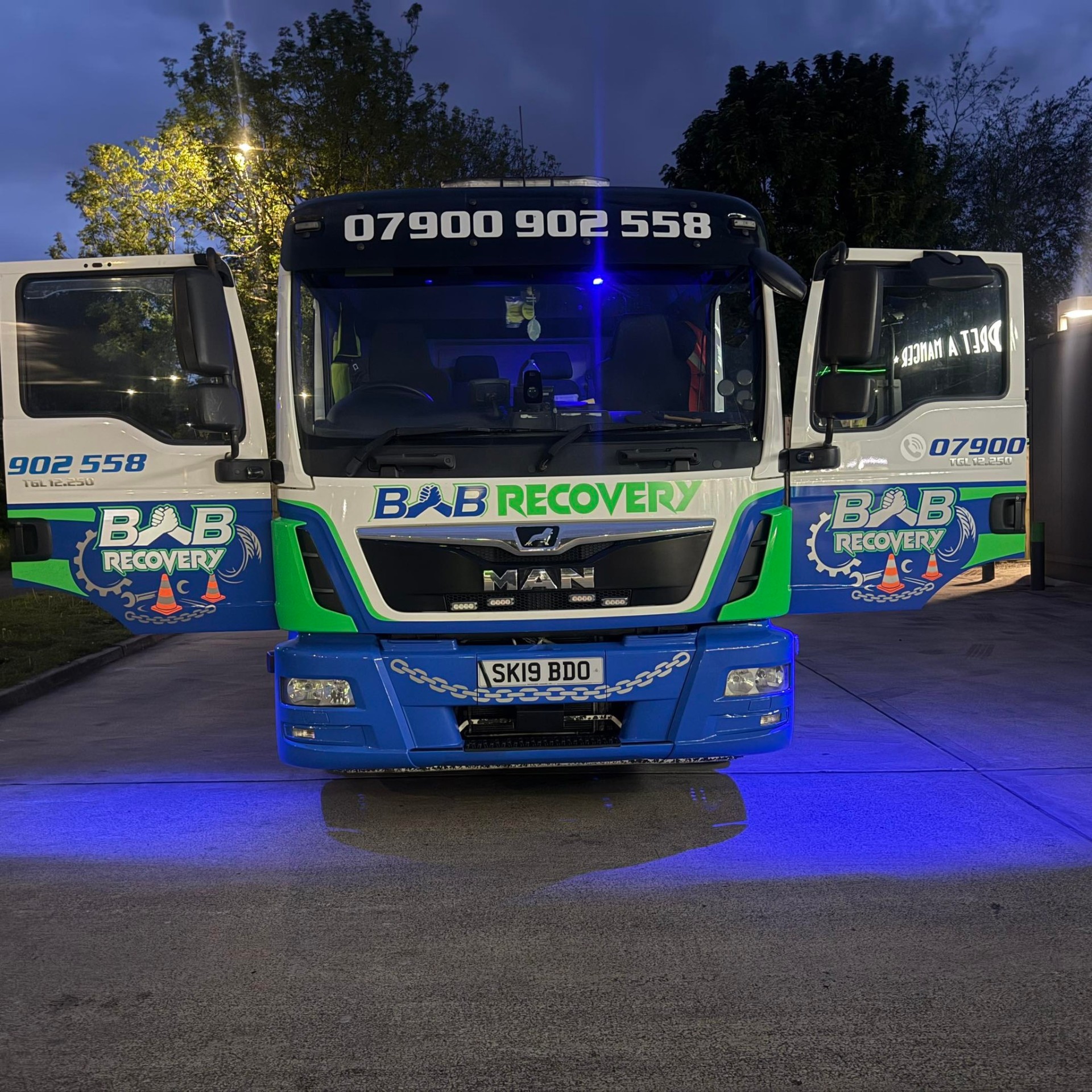
Tow Truck & Recovery Truck
Need a tow truck? Our tilt-and-slide flatbed recovery truck reaches you fast, day or night — cars, vans and light commercials. Call 07900 902558.
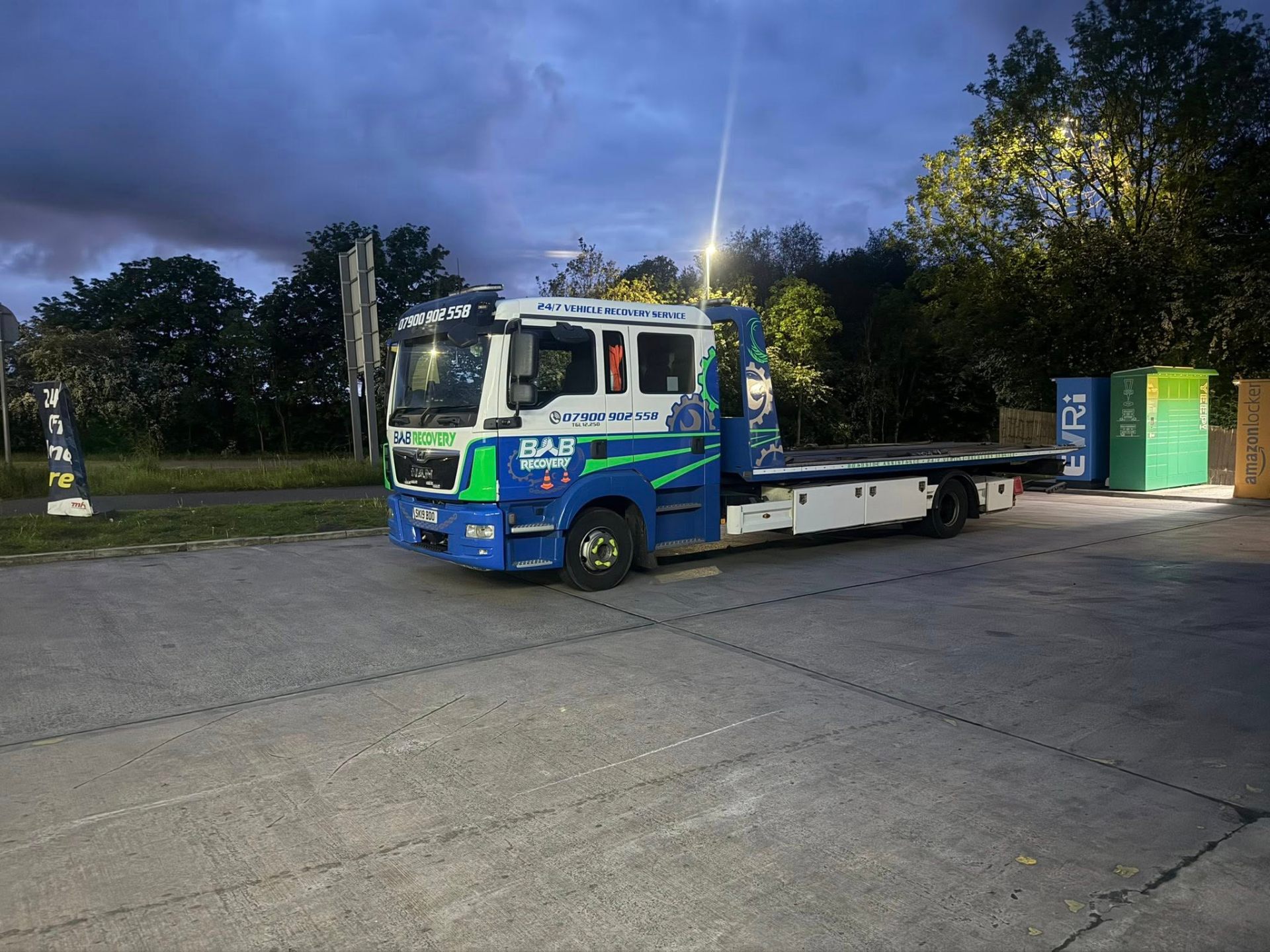
Car & Vehicle Towing
Car and vehicle towing across the UK, day or night. Flatbed towing for automatics, non-runners and light commercials — no call centre, no middleman. Call 07900 902558.