Classic, Luxury & Supercar Transport
Low, valuable, and not going anywhere on a rope.
Valuable cars are mostly an exercise in not damaging them. Low front ends, expensive paint, tyres that haven't turned since the nineties, and owners who will notice a mark you wouldn't. We move classics, performance cars and supercars on the flatbed — strapped down over the wheels, above the road surface, and not turning a wheel of its own from one end of the journey to the other.

Exactly what you'd expect — done well.
We keep it simple: modern kit, an experienced operator, and honest pricing. Here's what this service covers.
- Classic, luxury & performance cars
- Low ground clearance loading
- Barn finds, projects & non-runners
- Photographed at collection and delivery
Common situations
Simple. Quick. No fuss.
Tell us what it is
Make, model, ride height, and whether it runs, rolls, steers and brakes.
We agree the approach
How it loads, what it needs under the wheels, and a firm price before anything moves.
Collected and photographed
Loaded slowly, strapped to the frame, and photographed at both ends.
Why a classic travels better on the back of a truck
The most expensive thing you can do to a car that has been standing all winter is drive it two hundred miles. Cold starts, a fuel system that has not been asked to do anything in months, brakes that have sat, tyres with a flat spot on them — a long run is exactly the wrong first outing after a lay-up. Putting the car on a flatbed skips all of it. The engine never turns, the clutch never takes up, and the car arrives in the condition it left in.
It also leaves the odometer where it was. On a car whose value is partly its mileage and partly its history, a few hundred miles added for the sake of moving it between two addresses is money off the car for nothing. Classic car transport on a truck is the cheaper option once you count what the drive itself costs you.
On the bed the car is strapped over the wheels rather than pulled down on the chassis, so nothing is loaded through the suspension or the body. It sits above the road surface for the whole journey, and it comes off the same way it went on — winched slowly, with someone watching it, not driven off in a hurry.
Low cars and the loading angle
The number that decides everything is the approach angle — the slope the car has to climb to get onto the bed.
A tilt-and-slide is good precisely because it drops to a shallower angle than a fixed ramp, but shallow is not the same as flat. Splitters, deep front lips, side skirts and lowered springs all eat into the margin, and the point where a splitter touches is the point where this stops being a transport job and becomes a bodywork job.
The fix is boring and effective: planks under the wheels to lift the car, a slow approach, and someone watching the front end the whole way up. On a car with adjustable or air suspension, get it into its highest setting before we arrive and tell us that's where it is.
If you know your car scrapes on ordinary driveways, mention it when you book. That one sentence changes how we set up.
Barn finds, projects and non-runners
A good deal of what we move in this category doesn't start, and some of it hasn't started in decades.
Barn finds and restoration projects are routine. No brakes, no keys, a seized engine, flat and perished tyres, a car that hasn't rolled since the eighties — all normal. What matters is whether the wheels turn, because a car that rolls goes up on the winch and one that doesn't goes on skates.
Cars with the wheels off, or largely in pieces on pallets, are also movable, but they need a real conversation rather than a booking form. Tell us what state it's genuinely in. Nobody has ever regretted being too honest about a project car on the phone.
Before we collect
Four things make a valuable car's move go smoothly.
Photograph it before we arrive — all four corners, and anything already marked. We do the same at both ends, and matching sets mean any question afterwards is settled rather than argued.
Tell us about the alarm and the immobiliser, and whether there's a tracker that will object to the car moving on a truck. Leave the fuel low but not empty: enough to move under its own power at either end, not a full tank of dead weight.
And make sure whoever hands the car over actually knows it. 'It's in the garage, the key's under the mat' is fine for a runabout. For something valuable, it's worth a person being there.
About this service
Will it scrape when you load it?
Not if we know beforehand. A tilt-and-slide drops to a shallower angle than a fixed ramp, and planks under the wheels take care of the rest. Tell us if the car scrapes on ordinary driveways and we'll set up accordingly.
Can you move a car that doesn't run?
Routinely. Barn finds, seized engines, no keys, perished tyres — all normal. The question that matters is whether the wheels still turn, because a car that rolls goes on with the winch and one that doesn't goes on skates.
What about air or adjustable suspension?
Put it in its highest setting before we arrive and tell us that's what it's on. If the system has failed and it's stuck at ride height, say so — it changes how we load it.
Do you photograph the car?
At collection and at delivery. We'd suggest you do the same before we arrive. Matching sets of photographs settle any question in a minute rather than turning it into an argument.
Is classic car recovery the same as transport?
Recovery is when it's broken down or stranded and needs collecting now. Transport is a planned move — a specialist, a show, a sale, a house move. We do both, and the price is worked out differently.
Related services
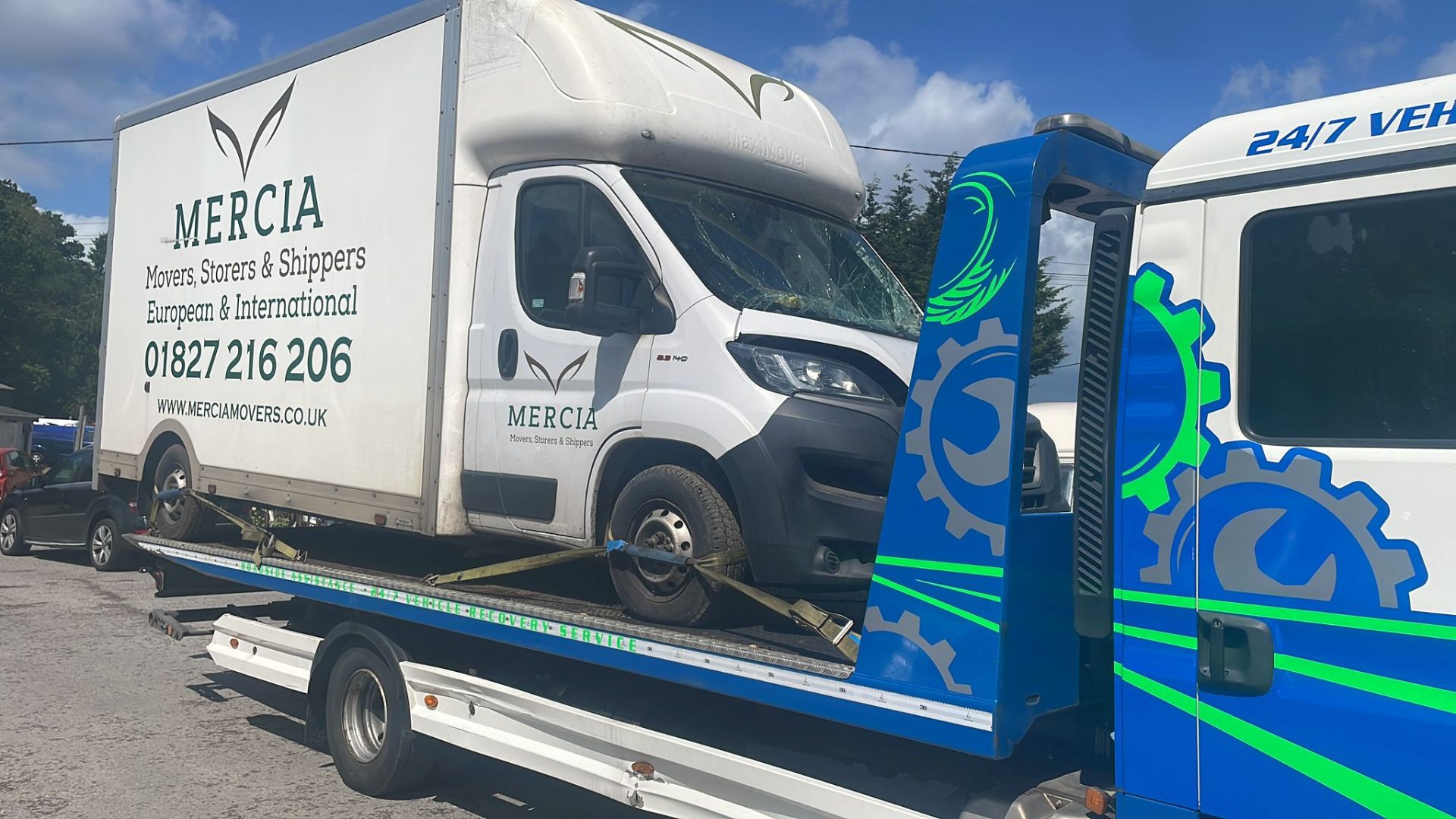
Vehicle Recovery
Cars, vans and light commercials recovered on a tilt-and-slide flatbed — day or night, local or long-distance.
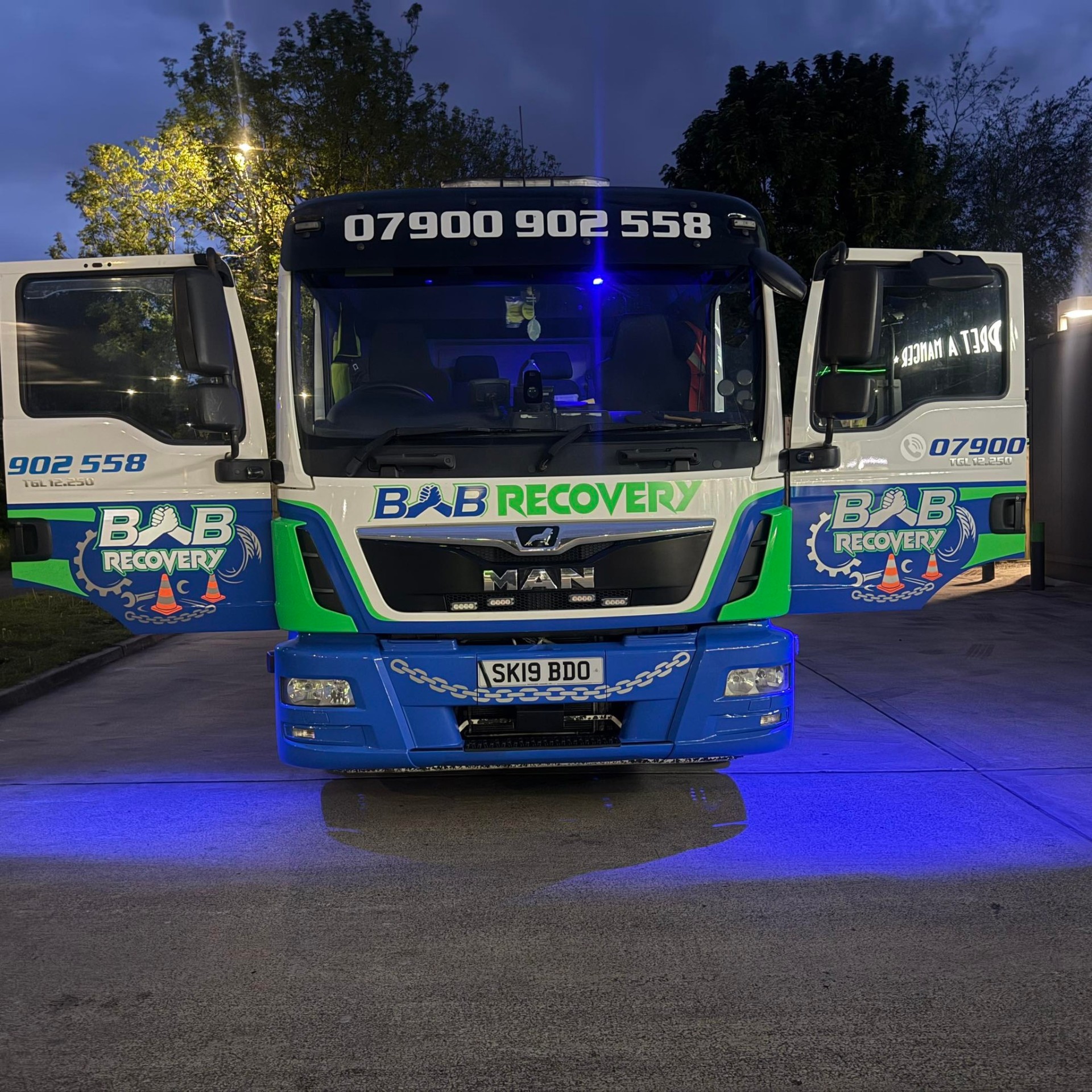
Tow Truck & Recovery Truck
Need a tow truck? Our tilt-and-slide flatbed recovery truck reaches you fast, day or night — cars, vans and light commercials. Call 07900 902558.
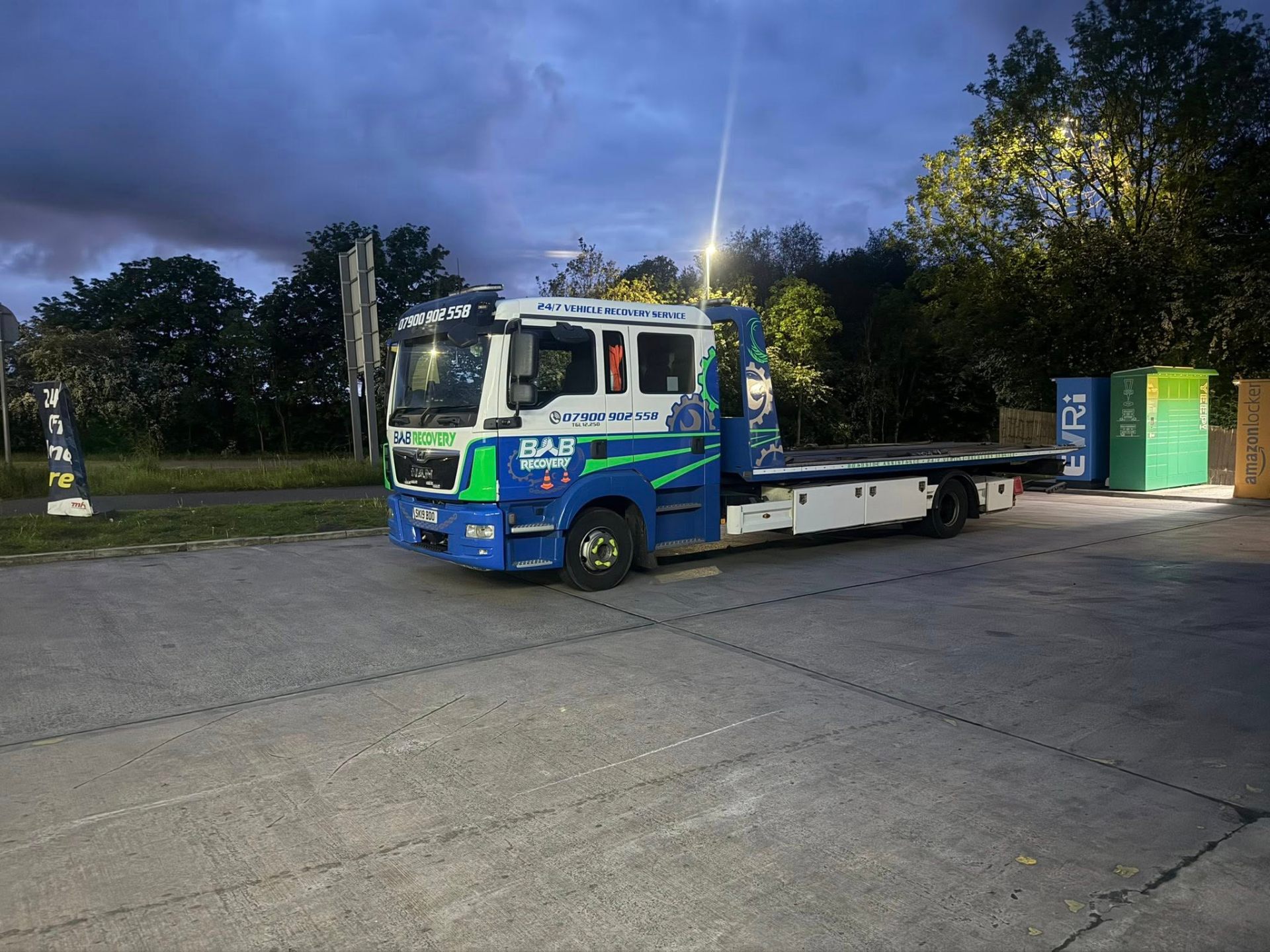
Car & Vehicle Towing
Car and vehicle towing across the UK, day or night. Flatbed towing for automatics, non-runners and light commercials — no call centre, no middleman. Call 07900 902558.