Motorhome & Campervan Recovery
When the thing that's broken down is also where you were sleeping tonight.
A motorhome breaking down is two problems at once: the vehicle and the accommodation. We recover motorhomes and campervans up to 3.5 tonnes, and the first thing we'll do on the phone is establish whether yours is under that — because a good many aren't, and it's better to know in ninety seconds than after a wasted callout.

Exactly what you'd expect — done well.
We keep it simple: modern kit, an experienced operator, and honest pricing. Here's what this service covers.
- Campervans & van conversions
- Smaller coachbuilts up to 3.5 tonnes
- Breakdowns away from home
- Dealer delivery, collection & seasonal moves
Common situations
Simple. Quick. No fuss.
Give us the plated weight
It's on the VIN plate. Under 3.5 tonnes and it's a job for us; over and we'll point you at someone with the right kit.
Tell us who's with it
How many people, whether there are pets, and whether you've got anywhere to stay tonight. It changes what we prioritise.
Recovered and delivered
To a garage, a campsite, home, or storage — whichever actually helps.
Weight is the first question
Almost everything about a motorhome recovery is decided by one number, and it isn't the length.
Our flatbed takes up to 3.5 tonnes gross. That comfortably covers campervans and van conversions — VW-based, Transit-based, Sprinter-based — and it covers some of the smaller coachbuilt models. It does not cover a great many of the larger ones, which sit at 3.5 tonnes exactly with nothing in them and are over it the moment they're loaded with water, gas and a fortnight's luggage.
The plated weight is on the VIN plate, usually inside a cab door or under the bonnet. It's the number that matters, not the model name and not what it weighed when it left the factory.
If yours is over, you need a heavy-recovery operator with the right kit and licence. We'd far rather tell you that on the phone than take the booking and disappoint you at the roadside — so ring anyway, and we'll point you somewhere useful if it isn't us.
Can a motorhome tow a car?
This is one of the most-asked questions in motorhoming and one of the least settled.
The appeal is obvious. A small runabout on an A-frame behind the motorhome means you have transport once you've pitched up, without the expense of a trailer or the hassle of storing one. Thousands of people do it.
The difficulty is braking. An A-framed car has to brake in a way the regulations accept, and there is genuine disagreement about which arrangements satisfy that and how the rules apply once you leave the UK. Owners who have looked into it properly tend to come away either confident or thoroughly put off, with not much in between.
We're not going to settle it here. What we will say is that if you'd rather not gamble on an interpretation, having the car moved separately removes the question altogether — and it's a normal job for us.
Breaking down away from home
A car breaking down on holiday is an inconvenience. A motorhome breaking down on holiday means the accommodation has failed too.
That changes what matters on the phone. Where the vehicle ends up is suddenly a bigger question than how quickly it gets there, because a garage forecourt three hundred miles from home at nine in the evening solves one problem and creates another.
So tell us how many of you there are, whether there are pets, and whether you've got anywhere to go. There's room in the cab. If the sensible answer is getting the motorhome to a site that will take it rather than to the nearest garage, say so and we'll work to that instead.
And if it's the middle of a bank holiday weekend with every workshop shut until Tuesday, we'll tell you that too, because it changes what you'd sensibly do next.
Transport, delivery and seasonal moves
Not every motorhome we move has broken down.
Dealer deliveries and private sales are regular work — a motorhome bought at the other end of the country, where driving it back means insurance you haven't arranged yet and a long day in something unfamiliar.
Seasonal moves are the other one. Plenty of owners keep the vehicle in storage over winter and want it collected in spring and returned in autumn, and that's a planned job we can book in properly rather than fit around an emergency.
The weight limit applies exactly the same way for a planned move as for a recovery. Check the plate before you ring and the conversation is a short one.
About this service
How big a motorhome can you recover?
Up to 3.5 tonnes gross, which covers most campervans and van conversions and some smaller coachbuilts. Plenty of motorhomes are heavier than that. Read us the plated weight off the VIN plate and we'll know immediately.
What if mine is over 3.5 tonnes?
Then you need a heavy-recovery operator with different equipment, and we'll say so rather than turn up and fail. Ring us anyway — we'd rather spend two minutes pointing you somewhere useful.
Can a motorhome tow a car on an A-frame?
It's a genuinely contested area and the braking requirements are the difficult part. Plenty of owners do it; plenty of others have found the rules interpreted differently than they expected. If you'd rather not gamble, moving the car separately on a truck removes the question entirely.
We're away from home — what happens to us?
Tell us on the call how many of you there are and whether there are pets. There's room in the cab for passengers, and where the motorhome ends up matters more than usual when it's also where you were going to sleep.
Can you deliver a motorhome I've bought?
Yes, if it's within the weight. Dealer collections, private sales and seasonal moves between storage and home are all normal work.
What does it cost to tow a motorhome?
Distance and weight do most of it, same as any recovery. There's a fuller breakdown on our recovery and towing prices page, or ring with both postcodes for a firm figure.
Related services
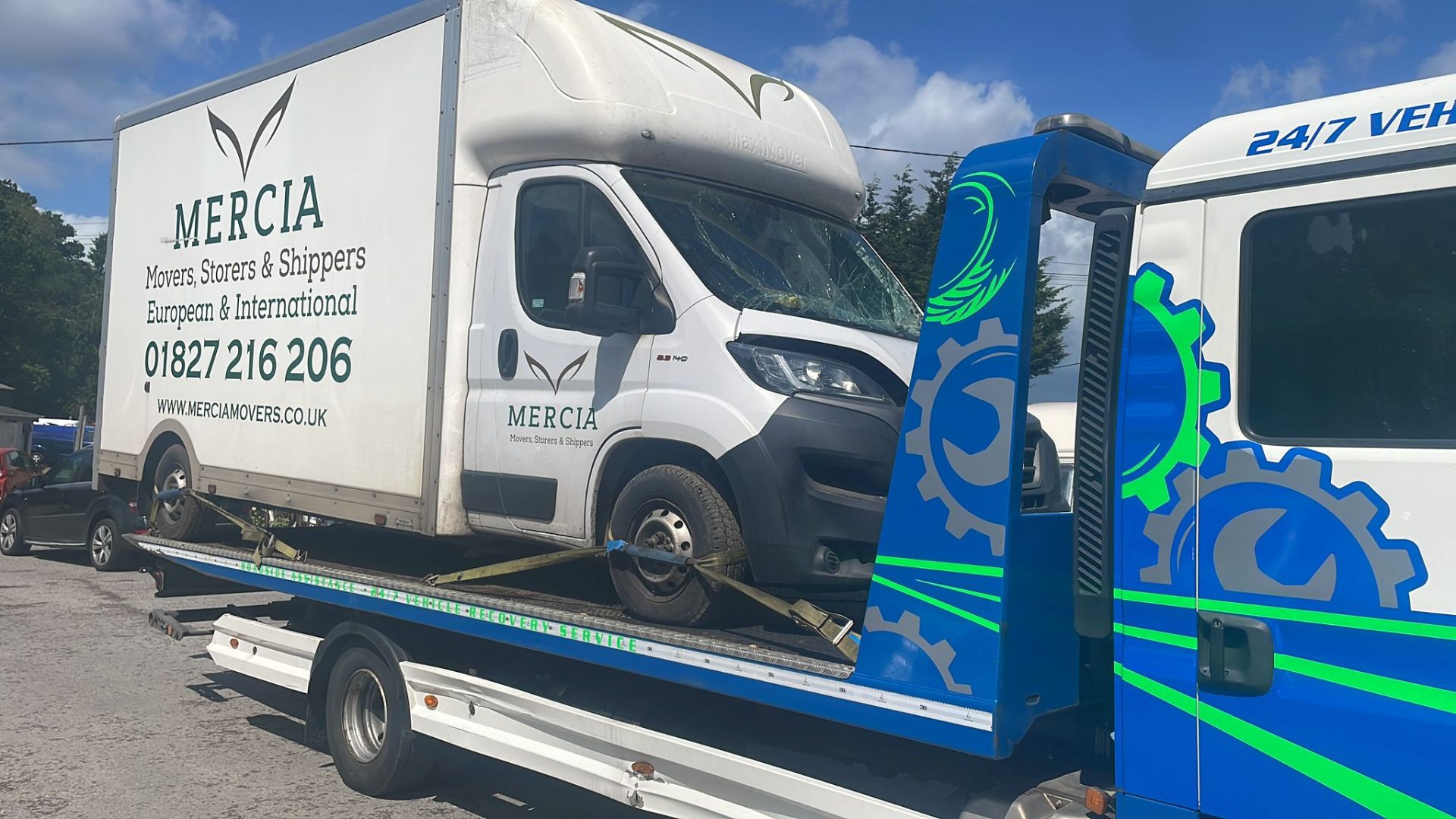
Vehicle Recovery
Cars, vans and light commercials recovered on a tilt-and-slide flatbed — day or night, local or long-distance.
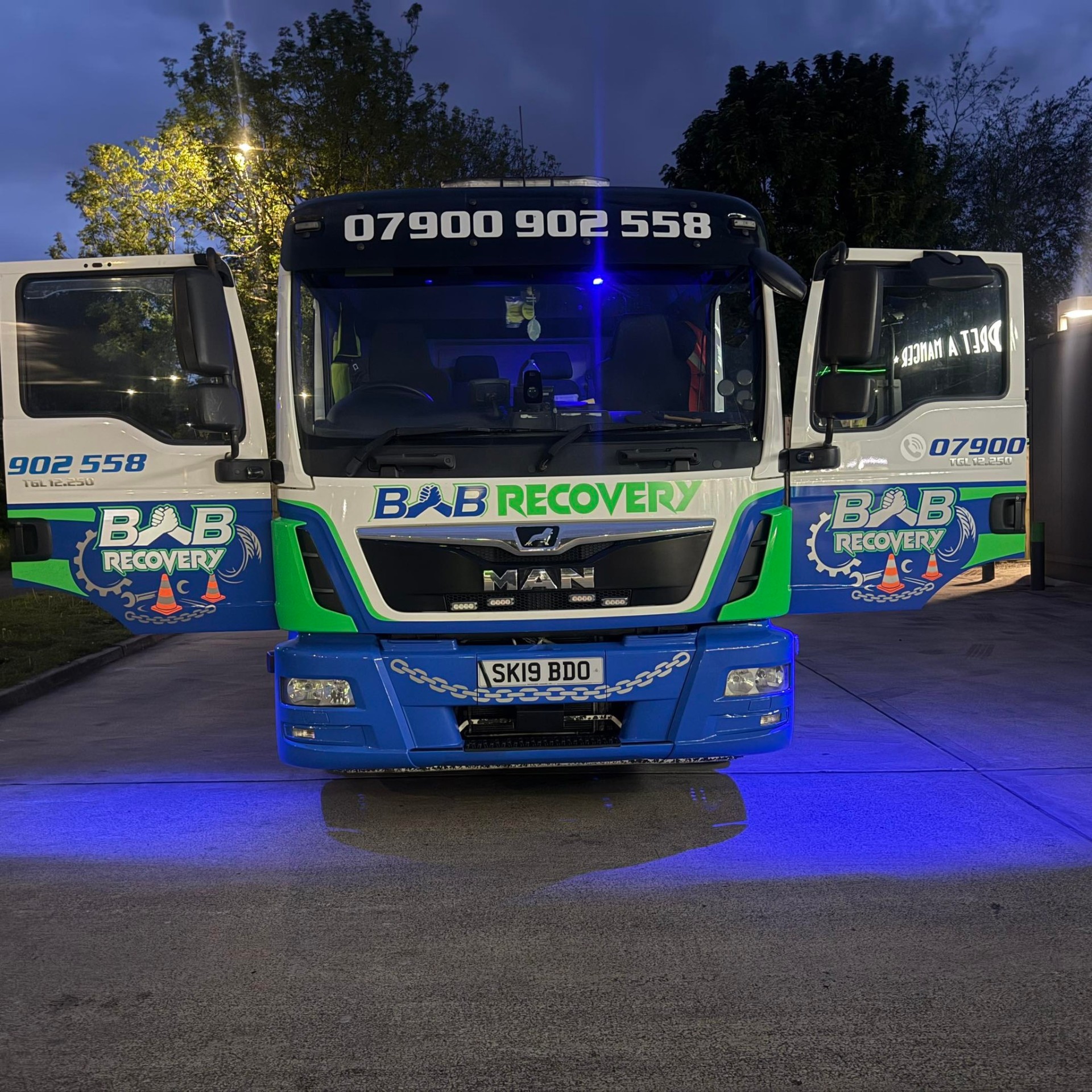
Tow Truck & Recovery Truck
Need a tow truck? Our tilt-and-slide flatbed recovery truck reaches you fast, day or night — cars, vans and light commercials. Call 07900 902558.
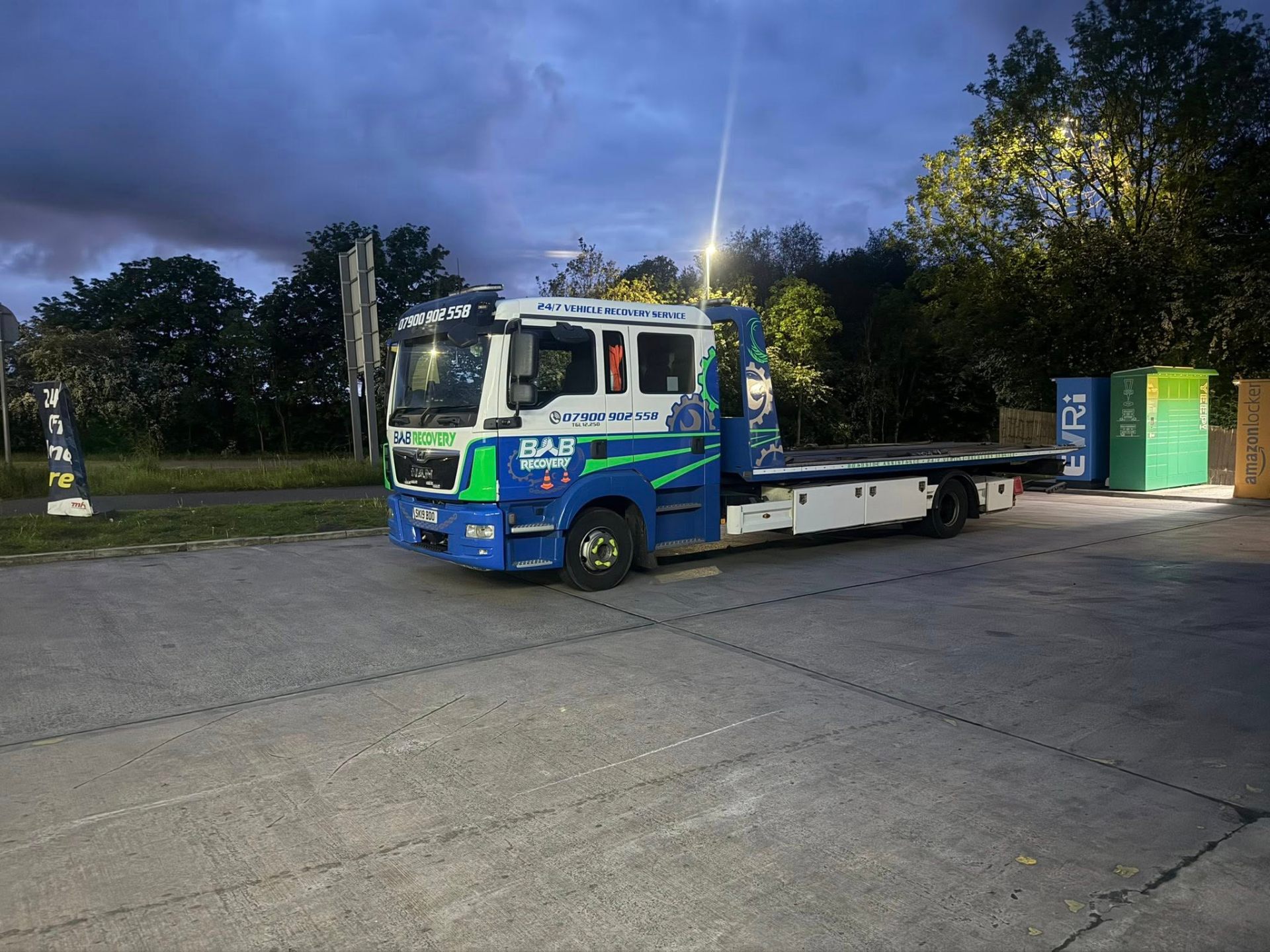
Car & Vehicle Towing
Car and vehicle towing across the UK, day or night. Flatbed towing for automatics, non-runners and light commercials — no call centre, no middleman. Call 07900 902558.