Recovery & Towing Prices
What it costs, and what changes it.
Ring six recovery firms and you'll get six answers — half of them "it depends", and half a number that moves once the truck is actually on your driveway. We'd rather set out how the pricing genuinely works, what pushes it up, and exactly what you need to tell us to get a firm figure on the first call.
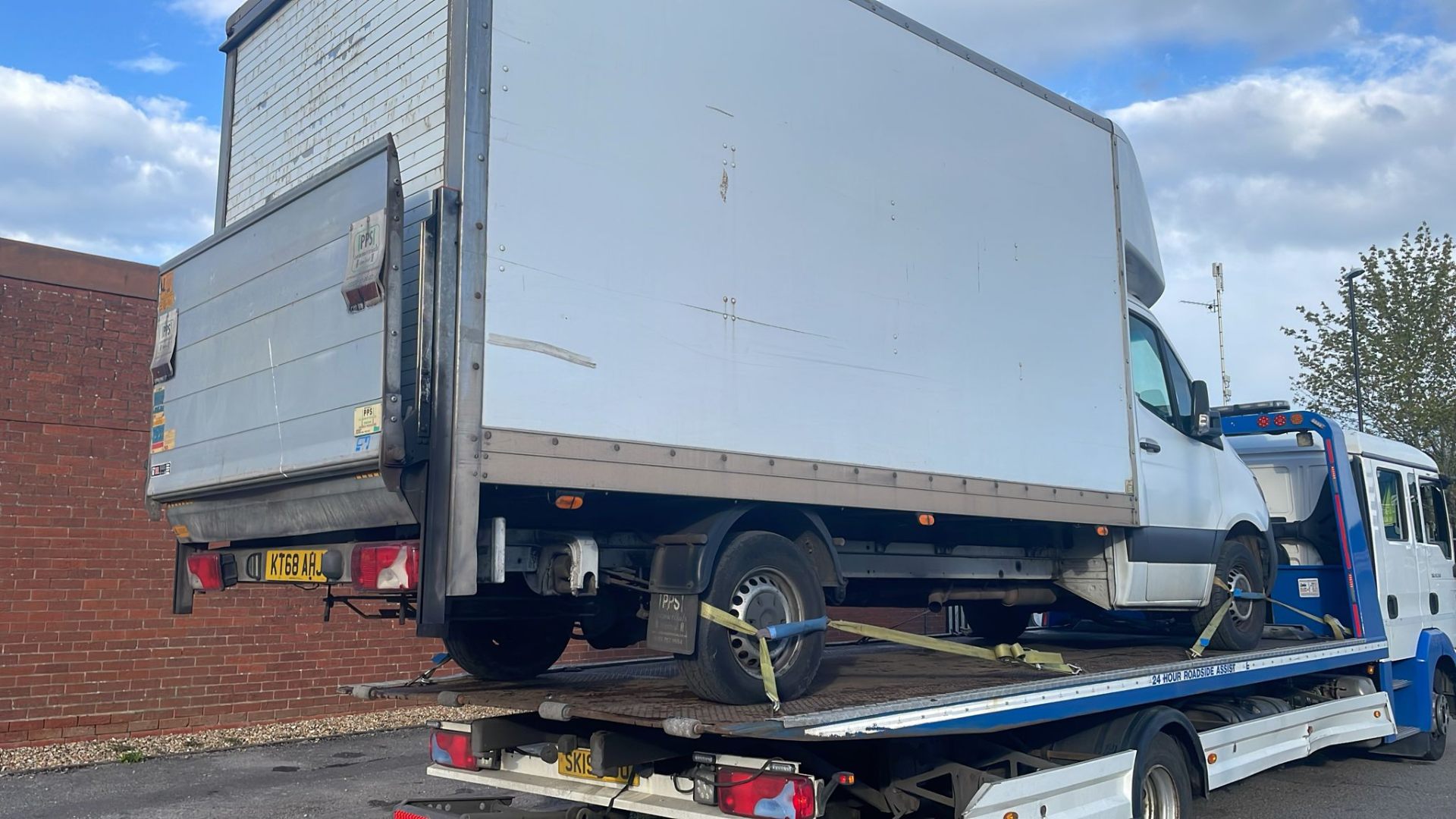
Exactly what you'd expect — done well.
We keep it simple: modern kit, an experienced operator, and honest pricing. Here's what this service covers.
- Firm price agreed before we set off
- Distance and loading difficulty priced in
- No renegotiation when the truck arrives
- Cars, vans, motorbikes & light commercials
Common situations
Simple. Quick. No fuss.
Give us the two postcodes
Where the vehicle is now and where it's going. Distance is the single biggest factor in any recovery price.
Tell us what it is
Make, model, and whether it runs and rolls. Those are two separate questions and both change the number.
You get a firm figure
Agreed on the call, before the truck sets off, and it doesn't move afterwards.
Why there isn't a price list on this page
Every recovery job is a different distance, a different vehicle and a different set of problems at the roadside, so a fixed price list would be wrong more often than it was right. A car that rolls and steers on a level driveway ten miles away is a completely different job from a seized-brake non-runner in an underground car park, even though both get called car recovery. Publishing one towing cost to cover both would mean quoting one of them badly.
What we do instead is give you a firm figure on the phone before anything moves. Tell us where the vehicle is, where it needs to go, and whether it still rolls and steers — that is usually enough to price the job on the spot rather than quoting you a vague from-price and settling up afterwards.
If you are gathering car recovery prices to compare, ask every firm for the total rather than the rate. A quote that sounds cheap per mile can land higher than a flat price once the callout, the winch and the empty return leg are added in. The figure worth comparing is the one that covers the whole job, door to door.
How a recovery is priced
Two variables do most of the work. The first is distance — not just from you to the destination, but from wherever the truck starts to you, and back out to whatever it's doing next. The second is how difficult the vehicle is to get onto the bed.
A car that rolls and steers, sitting on a driveway, is the cheapest version of the job. The same car with seized brakes needs skates under the wheels and a winch, which takes two people longer. One wedged into a basement car park with a height barrier is a different job again, and occasionally one we have to turn down.
Everything else is smaller adjustments around those two. The vehicle's weight and size, whether anyone needs a lift in the cab, whether the destination is open when we get there. None of it is complicated, and none of it should be a surprise at the roadside.
That's why the questions on the phone aren't us being difficult. Two postcodes, a make and model, and an honest answer about whether it rolls gets you a number we'll stand behind.
Cost per mile, and why it isn't the whole answer
Per-mile pricing is the figure people ask for most, and on its own it's the one most likely to mislead.
Every recovery has a fixed component before a single loaded mile is driven: getting the truck to where you are. On a ten-mile job that fixed cost is most of the price, and dividing it by ten produces a per-mile figure that looks outrageous. On a three-hundred-mile run the same fixed cost barely registers and the per-mile figure looks like a bargain. It's the same truck and the same operator.
There's also the return leg. A truck that takes your car two hundred miles has to come back, and unless it picks something up at the other end those are empty miles somebody pays for. Firms that quote a very low per-mile rate are usually either hoping to fill the return leg or planning to add the cost back somewhere else.
So we quote the job, not the mile. If you want the per-mile figure for comparison we'll work it out for you, but the total is the number that matters.
What pushes a price up
Five things account for nearly every quote that comes back higher than someone expected.
Non-runners are the commonest. A vehicle that won't roll needs skates, a winch and more time on scene. It's not a penalty, it's genuinely a longer job — and it's the single most useful thing to be upfront about when you ring.
Access is the next. Underground car parks with height barriers, farm tracks, narrow terraces with cars parked both sides, anywhere a full-size truck physically cannot turn. All solvable, all worth knowing beforehand rather than after a wasted journey that someone has to pay for.
Then size and weight, which is why a Transit and a hatchback aren't the same price; timing, where a job at 3am on a bank holiday is not the same proposition as one at two on a Tuesday afternoon; and destination, particularly when the garage is shut and the vehicle needs somewhere secure until Monday.
What cheap car recovery actually costs
Search for cheap car recovery and you'll find plenty. Some of it is genuinely good value from small operators with low overheads. Some of it isn't cheap at all by the time you've paid.
The first thing to check is whether the quote is firm. A number given without questions is a number that can move, and once your car is on the bed you have very little leverage to argue about it.
The second is insurance. Every recovery operator insures their truck. Not all of them carry cover for your vehicle while it's on it. Ask the question directly — a firm that carries it will answer immediately, and a firm that doesn't will change the subject.
The third is whether they're doing the job at all, or selling it on. Lead-generation sites quote attractively and then pass the work to whoever accepts it, which is how a cheap price on the phone becomes a stranger with an unmarked truck and a different figure. Cheap is fine. Vague is not.
Getting a firm price on the first call
Everything we need fits in about two minutes.
Where it is and where it's going, as postcodes rather than descriptions. What it is — make, model and rough age, because a 3.5 tonne Luton and a Corsa are different jobs. Whether it starts, and separately whether it rolls, steers and brakes.
Then anything awkward. A height barrier, a locked gate, a farm track, a car park that closes at eleven, nobody at the far end to take delivery. And whether anyone needs a lift, because seats in the cab are finite.
With that, the figure you get is the figure you pay. Without it, anyone quoting you a price is guessing — and guesses have a habit of correcting themselves upwards once the truck is already there.
About this service
How much does it cost to recover a car?
Two things set the price: how far the vehicle is going, and how hard it is to get onto the truck. A car that rolls and steers on a driveway is the cheapest version of the job; a non-runner down a basement ramp is the dearest. Ring with both postcodes and what you're driving and you'll get a firm figure for your own job before anything moves.
Do you charge per mile?
Distance is the largest part of any recovery price, but a flat per-mile rate on its own is misleading — there's a fixed cost in getting the truck to you at all. Give us both postcodes and you'll get the total for the job rather than a rate you have to do sums with.
Is the price you quote the price I pay?
Yes. It's agreed before we set off and it doesn't change when we arrive. If something genuinely turns out to be different from what was described, we'll say so before we start rather than after.
Do prices change at night or on a bank holiday?
Ring and ask, and you'll get the figure for your job before we set off, whatever the hour. What we won't do is quote you one price at midnight and a different one on the driveway.
Why is motorway recovery priced differently?
On a motorway you often don't get to choose. If you can't get clear under your own steam, the police or National Highways can arrange removal to a place of safety and you may be charged for it, whoever you'd rather have called. Once the vehicle is somewhere safe, the onward recovery is an ordinary job again.
Is cheap car recovery a false economy?
Sometimes. A price well below everyone else usually means one of three things — the quote isn't firm, the operator isn't insured for your vehicle while it's on their truck, or the job is being sold on to whoever will take it cheapest. Ask which before you book.
What do you need from me to quote?
Both postcodes, the make and model, whether it runs, whether it rolls, and anything awkward about the access at either end. That's a two-minute call and it's the difference between a firm price and a rough guess.
Related services
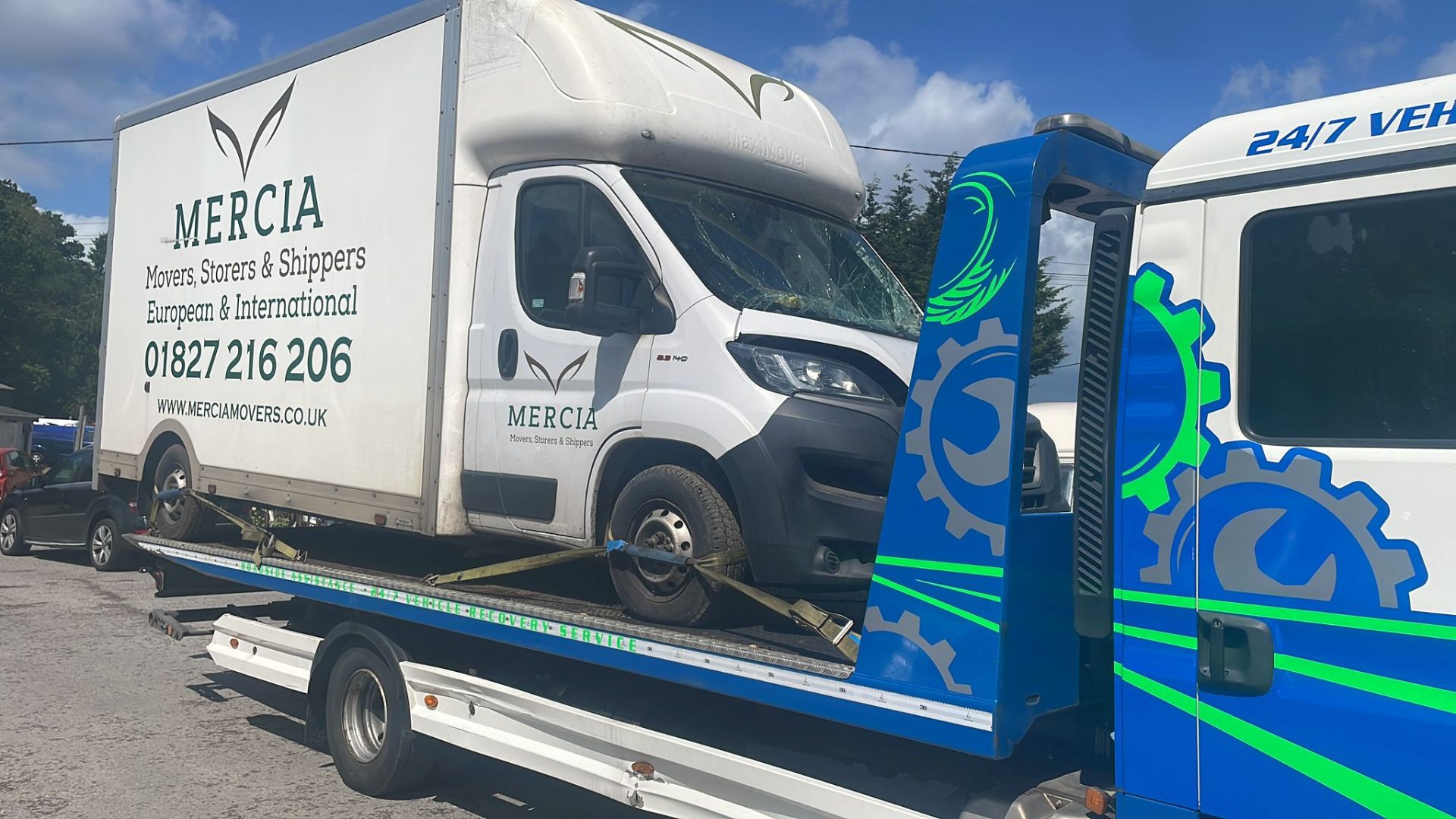
Vehicle Recovery
Cars, vans and light commercials recovered on a tilt-and-slide flatbed — day or night, local or long-distance.
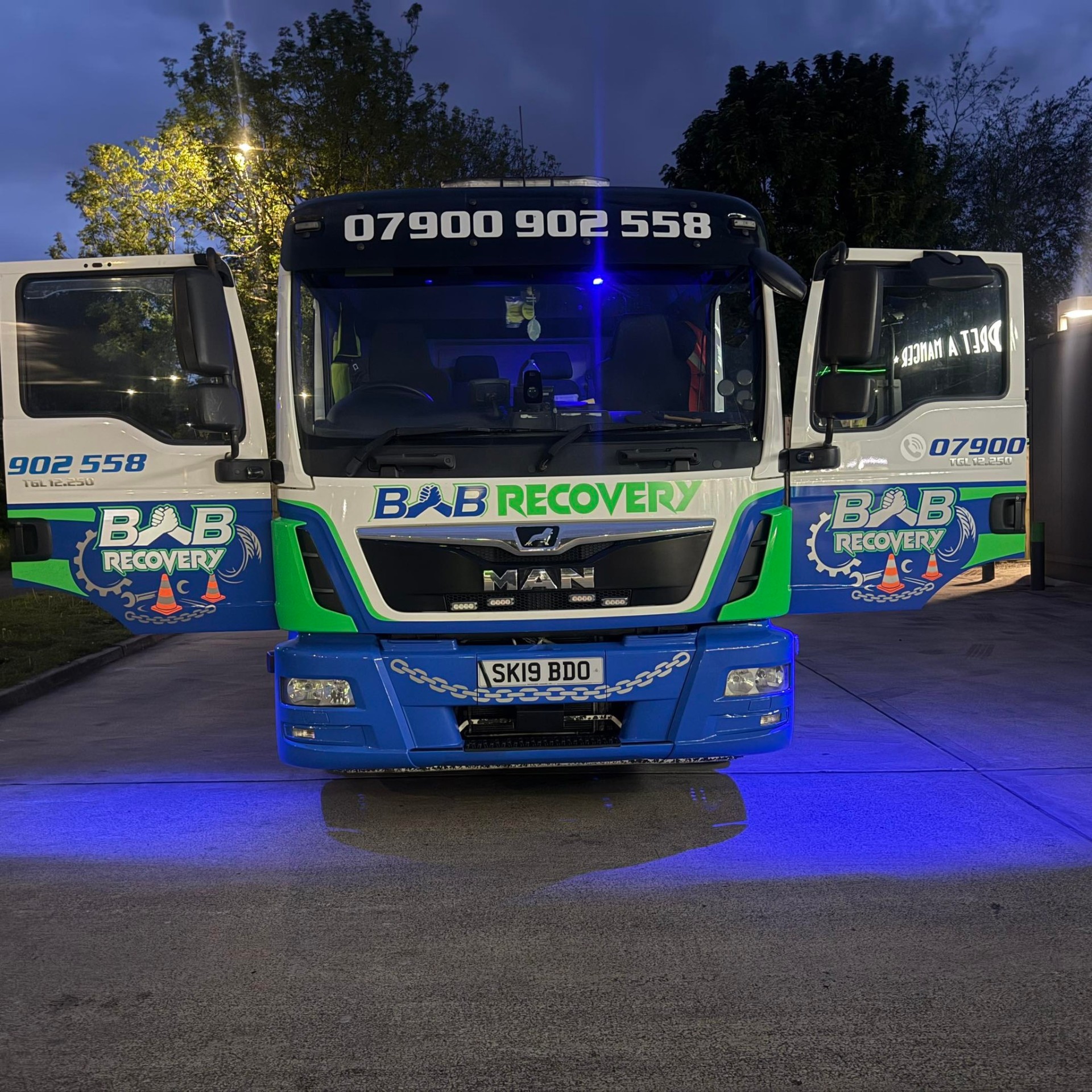
Tow Truck & Recovery Truck
Need a tow truck? Our tilt-and-slide flatbed recovery truck reaches you fast, day or night — cars, vans and light commercials. Call 07900 902558.
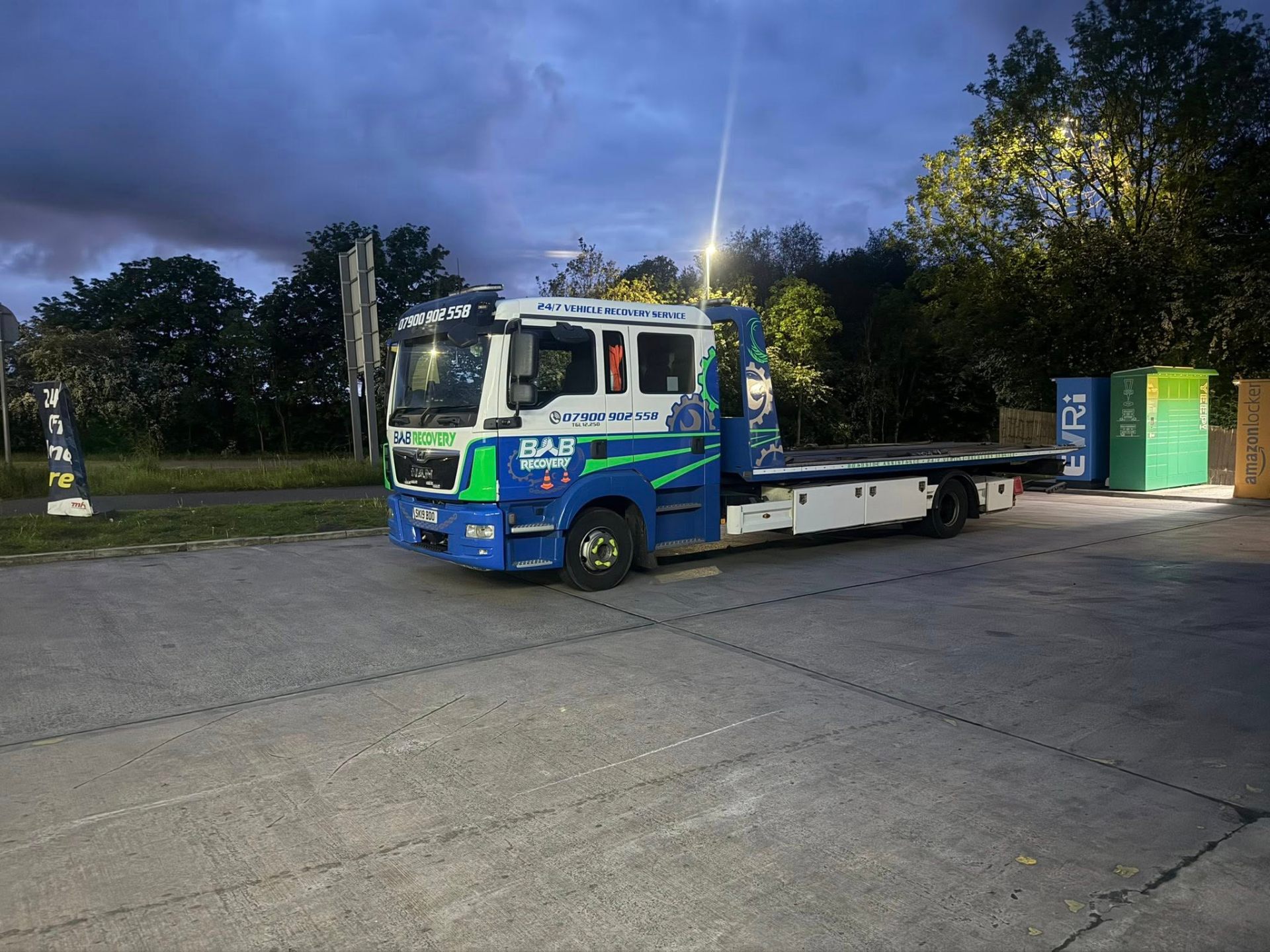
Car & Vehicle Towing
Car and vehicle towing across the UK, day or night. Flatbed towing for automatics, non-runners and light commercials — no call centre, no middleman. Call 07900 902558.